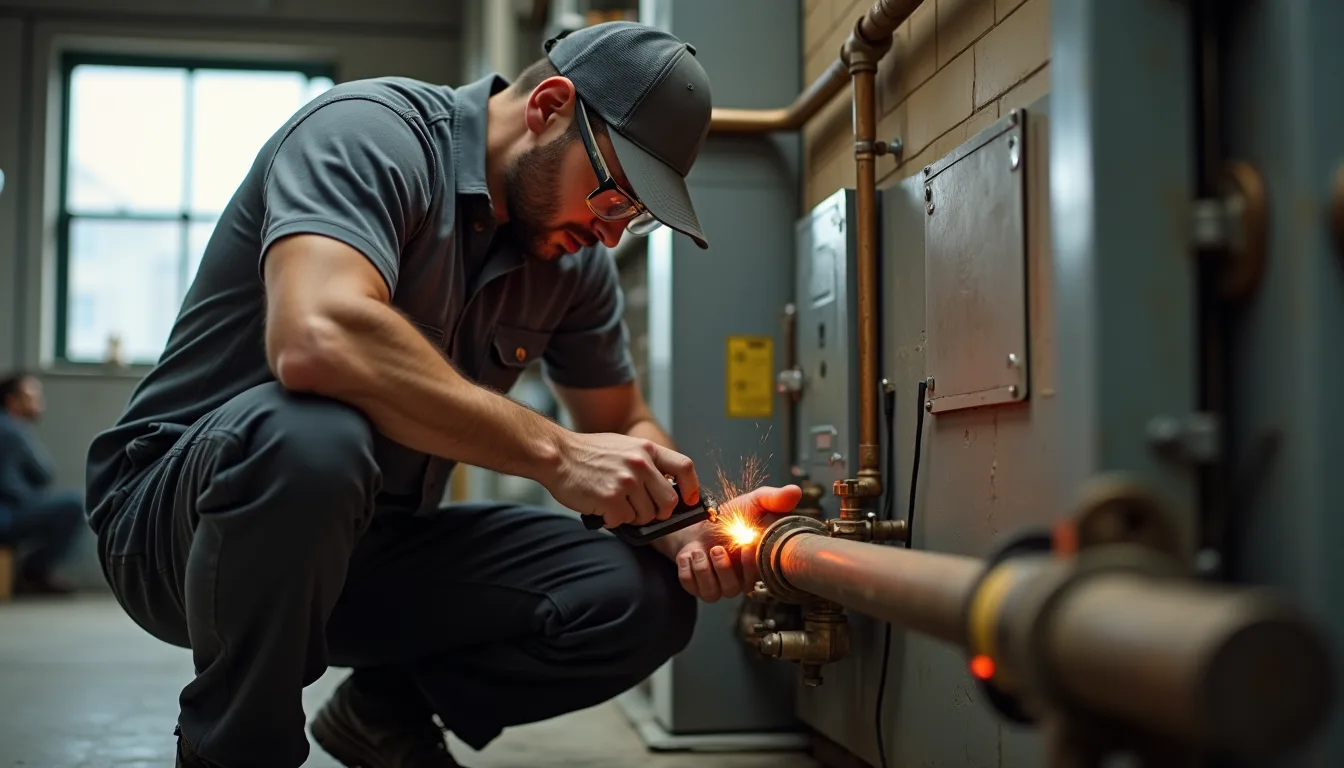
When to Call a HVAC Professional vs DIY
Published: 2026-04-14 · By CoolEdge Heating and Air Conditioning
As the temperature in Indianapolis begins to shift between the warmth of summer and the chill of winter, many homeowners find themselves pondering a crucial question: Should I attempt to tackle HVAC issues myself or call in an expert? Picture this: It's late October, and your heater has suddenly stopped working just as the first cold snap hits. Do you have the skills to troubleshoot and repair, or is it time to reach out to a local professional like CoolEdge Heating and Air Conditioning? This decision can impact your comfort, safety, and even your wallet, so understanding the fine line between DIY and professional assistance is essential.
Why This Matters for Indianapolis Homeowners
For homeowners in Indianapolis, the fluctuations in seasonal weather directly affect HVAC systems. In summer months, humidity levels can soar, leading to potential air conditioning failures. On the flip side, winter can bring unexpected freezing temperatures, making timely heating repairs critical. If you can’t determine whether an issue is minor or something more severe, it can lead to greater consequences, like costly repairs or compromised home safety.
Seasonal changes prompt wear and tear on your heating and cooling systems, which may not immediately surface. Regularly maintaining these systems is essential to avoid HVAC breakdowns during hectic weather transitions. With the Midwest's distinctive climate, knowing the signs of system malfunctions can save homeowners the hassle of inconvenient breakdowns.
Understanding when to seek professional help versus taking the DIY route is vital. Homeowners must gauge the severity of their HVAC issues while considering their comfort and safety when navigating such decisions.
Expert Solutions & Actionable Tips
1. Check the Thermostat Setting
Before anything else, confirm that your thermostat is correctly set. In cold months, sometimes folks accidentally switch to ‘cool’ instead of ‘heat.’ Adjusting a thermostat is simple and quick. If it’s still malfunctioning, the issue may lie deeper, necessitating a professional to investigate wiring or component failures.
For installations, technicians generally charge around $50 to $200 depending on the complexity, while thermostats themselves range from $30 to $300. This ensures your system is ready for the season ahead.
2. Cleansing Air Filters
Amazingly neglected, dirty air filters could be restricting airflow. Inspecting and cleaning or replacing air filters can greatly improve HVAC system efficiency on your part. Filters should ideally be replaced every one to three months.
If hired, HVAC professionals usually show you how to do this for a small fee. The cost for filters ranges from $10 to $50, making it an easy DIY task that could lead to significant energy savings.
3. Identifying Strange Noises
Have you started hearing unusual noises from your HVAC system? Grinding, squealing, or rattling can signal issues like loose components or failing motors. While you can check for loose panels, deeper mechanical issues often require a technician’s expertise to troubleshoot effectively.
Costs associated with such repairs can vary, ranging from $75 to $600 depending on the problem, underscoring the importance of addressing noise issues promptly. It’s worth calling in a pro if DIY fixes don’t resolve the sounds.
4. Inspect Ductwork
Inconsistencies in temperature throughout your home might point to ductwork problems. Homeowners can look for visible damages or gaps, but invisible leaks can only be detected by an expert. Sealing work often costs between $300 to $1,200 depending on the size of your home.
A professional's evaluation ensures you are not losing heated or cooled air, saving you money on energy bills and improving overall comfort.
5. Conducting Regular Maintenance
While some maintenance tasks can be performed personally, spending a little to engage a professional for seasonal checkups is invaluable. Typically, a yearly tune-up costs about $75 to $150 and covers vital system inspections.
Regular maintenance not only prolongs equipment lifespan but also enhances efficiency, resulting in substantial energy savings throughout the year.
6. When to Replace vs Fix
Deciding to repair an old HVAC unit or invest in a new one can be daunting. If your unit is over 15 years old, a repair might not be cost-effective. As a general rule, multiply the age of your unit by the cost of the repair; if the total exceeds $5,000, it may be time to replace your system.
New HVAC installations range widely from $3,000 to $7,000, but ensure you explore energy-efficient models, which can save you significant money over time, particularly in Indianapolis’ harsh climate.
Indianapolis Climate & Local Context
Indianapolis is recognized for its extreme seasonal transitions, with summers being humid and winters often dipping below freezing. Such conditions necessitate an HVAC system that can efficiently adapt year-round. Most homes rely on forced air systems, which may be forced to work overtime during intense weather changes, leading to an increased need for repair or replacement.
Moreover, when considering renovations or new builds, local building codes play a significant role in HVAC installations. Indianapolis cultivates a rich variety of architectural styles requiring adaptable HVAC solutions. Understanding local laws governing energy efficiency can ensure compliance and improved efficiency.
When to Call a Professional
Determining when to call a professional is crucial for Indianapolis homeowners. If issues present unusual symptoms or lead to inconsistent performance, it is prudent to involve an expert. Here are situations where professional assistance is necessary:
- Continuous unit cycling.
- Unexplained spikes in energy bills.
- Strong odors emitting from vents.
- Visible leaks or refrigerant issues.
- Technological failures like error codes.
- Extreme temperatures in parts of the home.
- Noisy operation, unusual sounds.
- Age of the system exceeding 15 years.
Address these red flags immediately by seeking professional help to avoid further complications.
Frequently Asked Questions
What are some common HVAC issues in Indianapolis?
Common HVAC problems in Indianapolis include inadequate heating during winter months, high humidity in summer, and poor air quality due to pollen and pollutants.
How often should I have my HVAC system serviced?
It's advisable to have your HVAC system serviced at least once a year, ideally before the summer and winter seasons, to ensure it operates efficiently.
Can I troubleshoot HVAC problems myself?
Yes, but only minor issues like checking the thermostat or replacing air filters. For anything major, it's best to consult with a professional.
How can I improve my HVAC system's efficiency?
Regular maintenance, sealing duct leaks, and upgrading to energy-efficient models can significantly enhance your HVAC system's efficiency.
What should I do if my system is leaking water?
If your HVAC system is leaking water, it's important to turn it off and contact a professional to prevent water damage and further issues.
Get Expert HVAC Service in Indianapolis
If you're unsure about the status of your HVAC system or need expert assistance, don’t hesitate to reach out to CoolEdge Heating and Air Conditioning. Our team is here to help Indianapolis homeowners stay comfortable year-round. Call (463) 275-4248 today!
Don't compromise on your comfort during Indiana's unpredictable weather. Depend on the experienced professionals at CoolEdge to ensure your HVAC system runs smoothly.