Emergency HVAC: What to Do Before Help Arrives
Published: 2026-04-14 · By CoolEdge Heating and Air Conditioning
Imagine it’s the middle of a sweltering Indianapolis summer and your air conditioning suddenly stops working. The temperature inside your home starts to climb, and you're stuck without relief. Knowing how to respond in these critical moments can make all the difference. With seasonal weather changes happening in Indiana, many homeowners face unexpected HVAC issues. Having a plan for emergencies like these ensures you’re prepared and can minimize discomfort while you await professional help.
Why This Matters for Indianapolis Homeowners
Indianapolis homeowners frequently contend with extreme seasonal weather variations, making reliable HVAC systems a crucial component of comfort. During the scorching summer months, a malfunctioning air conditioning unit can lead to rising indoor temperatures that not only cause discomfort but can also create health risks, particularly for vulnerable populations. In the cold Indianapolis winters, heating failures present equally severe challenges, leaving households exposed to freezing temperatures.
With as many as 86 days annually reaching above 90°F and winters that can plunge below freezing, neglecting regular HVAC maintenance can result in significant issues. When an emergency occurs, knowing how to assess the situation can help prevent costly repairs down the line.
Seasonal changes heavily influence HVAC performance. Fluctuating humidity levels and temperature extremes can strain heating and cooling units. Unfortunately, many homeowners are unaware of how quickly a seemingly harmless HVAC issue can escalate into a full-blown emergency.
Expert Solutions & Actionable Tips
1. Check the Thermostat Settings
Before assuming your HVAC system has failed, ensure that the thermostat settings are correct. This simple step can often save you from unnecessary panic. For homeowners, checking the thermostat can take just a minute, and in most cases, no cost is involved. If it appears unresponsive, try resetting it. In cases where the thermostat is faulty, replacement can cost between $100 to $300, depending on the model you choose.
2. Inspect Circuit Breakers
Sometimes, the solution to an HVAC crisis lies in a tripped circuit breaker. Locating your breaker box and inspecting the switches is a good practice during an emergency. Resetting a tripped breaker usually only takes a few moments and involves no expense. If breakers continue to trip, when an HVAC technician arrives, they might need to assess for faulty wiring or equipment, which could cost hundreds of dollars depending on the issue.
3. Look for Visible Blockages
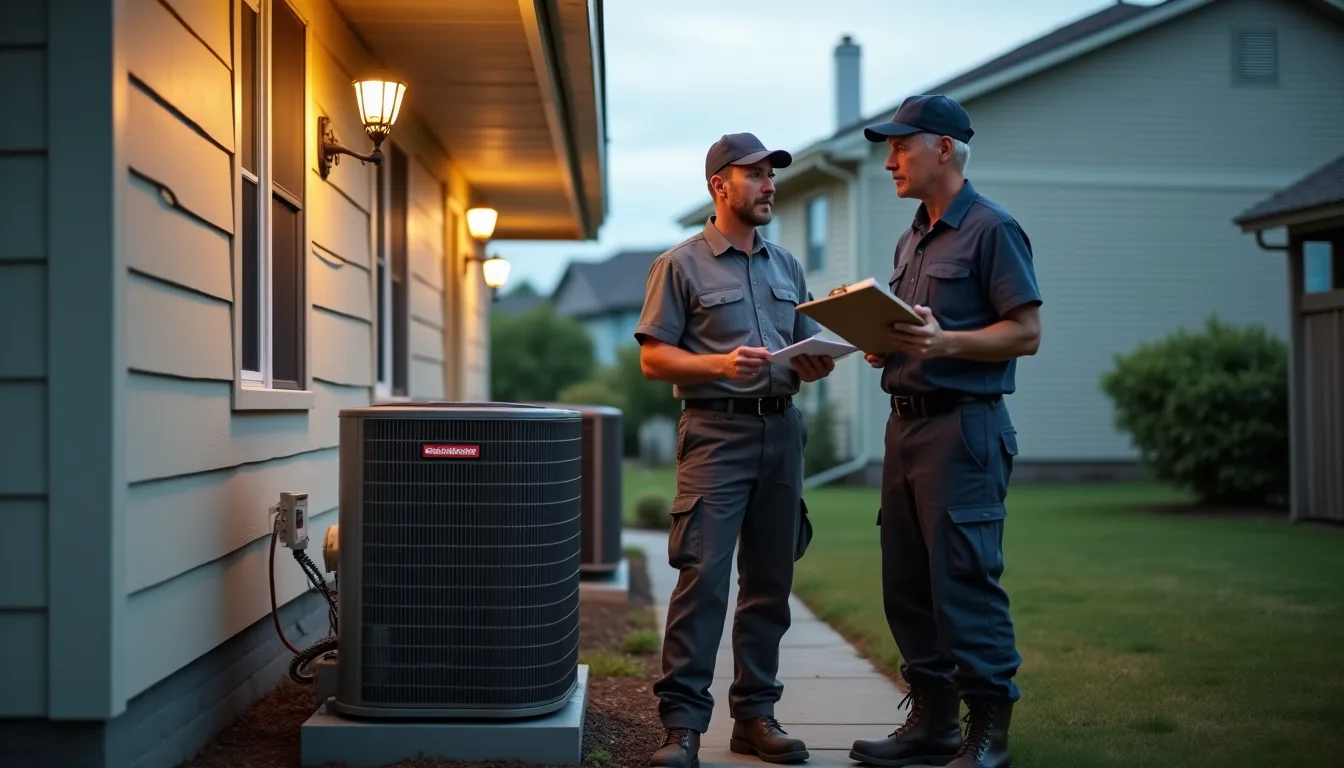
Often, simple obstructions around outside units can result in HVAC failures. Removing debris, leaves, or snow buildup around outdoor air conditioning or heating units can restore function. This kind of maintenance requires no professional service and can be done within minutes. If such blockages prove recurrent, investing in landscaping to prevent future issues might cost around $500 to $1,500.
4. Assess Air Filters
Clogged air filters can significantly impede HVAC efficiency. Regularly checking and replacing filters can help avoid emergencies altogether. In general, it's advisable to clean or replace air filters every one to three months, with replacement filters costing between $10 to $50 each. This minor upkeep tremendously impacts air quality and system functionality.
5. Utilize Emergency Fans
If your air conditioning fails in extreme heat, consider using standby fans until help arrives. They can help circulate air and provide temporary relief. The investment in good-quality fans ranges from $20 to $100 each, and they serve as a beneficial tool in both summer and winter emergencies. This strategy can be invaluable for keeping cool while waiting for repairs.
6. Document Symptoms for Technicians
When an HVAC issue arises, take detailed notes about what occurred before the unit failed. Documenting smells, noises, or unusual behavior can assist technicians in diagnosing the problem more efficiently. While not a direct cost, investing time in thorough documentation expedites service and helps avoid unexpected fees from prolonged troubleshooting.
Indianapolis Climate & Local Context
Indianapolis experiences a unique climate characterized by distinct seasonal shifts, from hot, humid summers to cold, snowy winters. This temperature variability exerts considerable strain on HVAC systems, meaning that seasonal preparation is not only wise – it’s essential. The age and design of homes in Indianapolis often dictate HVAC needs, with many vintage homes requiring more tailored solutions to conserve energy and maintain comfort.
Local building codes also play a pivotal role in ensuring safety and efficiency for HVAC installations. Permits are necessary for extensive repairs or installations, and understanding these regulations can save homeowners from penalties. For instance, replacing a complete HVAC unit may require adherence to energy efficiency standards set by the city. Consulting with local experts, like CoolEdge Heating and Air Conditioning, ensures HVAC systems comply properly.
When to Call a Professional
Homeowners often grapple with the dilemma of tackling HVAC emergencies themselves or reaching out to professionals. While minor issues can be addressed independently, recognizing the limits of your handyman skills is critical for safety and efficiency. For example, routine tasks like filter changing or checking the thermostat can be managed by homeowners. However, understanding when to call a professional is paramount.
- If your HVAC unit is making strange noises or emitting odors
- If the system is leaking fluids
- If you experience a complete system failure
- If the unit is more than 15 years old
- If power is cut off repeatedly to the system
- If the temperature is drastically inconsistent from room to room
In situations like these, enlisting a professional from services like CoolEdge Heating and Air Conditioning not only assures you of a resolution but creates peace of mind in knowing that the repairs are handled by someone with expertise.
Frequently Asked Questions
What should I do if my air conditioner stops working?
Begin by checking the thermostat and circuit breakers, then inspect outdoor units for blockages. If the issue persists, it's advisable to contact CoolEdge Heating and Air Conditioning for swift assistance.
How much does an HVAC emergency service call cost in Indianapolis?
Expect to see service call fees ranging from $100 to $250, depending on the time of service and technician availability. CoolEdge offers transparent pricing for emergency responses.
How often should I maintain my HVAC system?
Routine maintenance every six months is recommended, ideally in spring and fall. This proactive approach helps to prevent emergencies and extends the lifespan of your system.
Can I perform repairs on my HVAC system myself?
While minor tasks, like changing filters, are manageable, complex repairs should be left to professionals. DIY attempts can lead to increased costs and safety hazards.
What are signs my HVAC system needs replacement?
Frequent repairs, fluctuating temperatures, and inefficiency are signs that a replacement might be necessary. Consulting with CoolEdge can help clarify your options based on local conditions.
Get Expert HVAC Service in Indianapolis
If you find yourself facing an HVAC emergency in Indianapolis, don’t hesitate to call (463) 275-4248. At CoolEdge Heating and Air Conditioning, we understand the pressures of seasonal weather here and are dedicated to restoring comfort to your home.
Trust local experts to provide timely and effective solutions for your HVAC needs — contact us today!